
5 easy gardening tips for the elderly
Friday, 17th May 2024
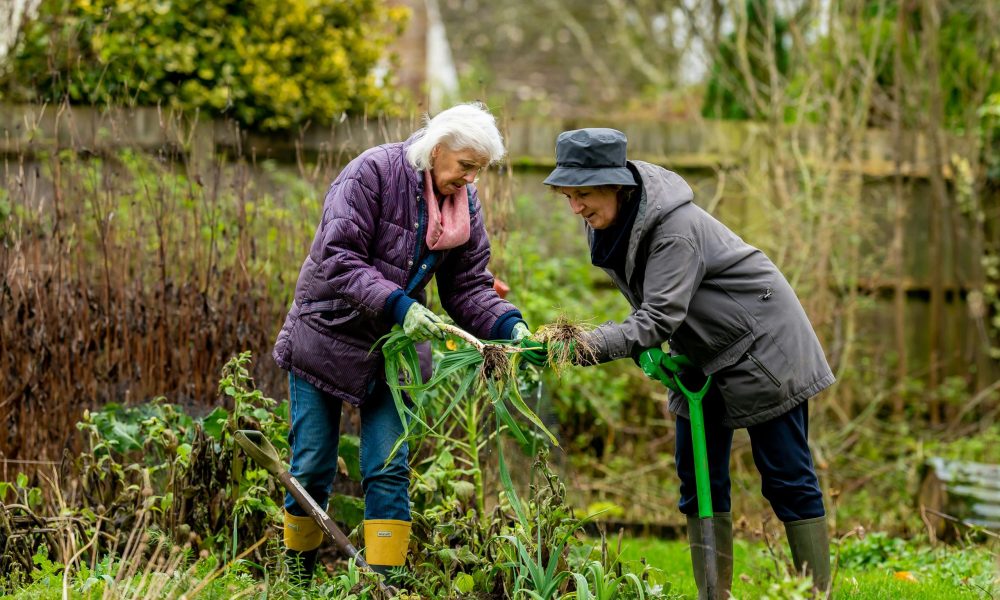
For many elderly people, gardening is more than just a hobby – it’s a source of joy, relaxation, and connection with nature. However, as age advances or conditions like dementia arise, gardening may seem daunting. But fear not! With a few simple adjustments and mindful techniques, you can continue to enjoy the wonders of gardening.
5 spring top tips to make gardening easier for the elderly
Here are five key tips tailored for elderly individuals and their carers to ensure a fulfilling and accessible gardening experience:
1. Container gardening
Container gardening is a perfect solution for elderly people and individuals with dementia who may face mobility challenges or have limited outdoor space. By using pots, hanging baskets, or raised beds, carers can bring the joy of gardening right to their loved one’s doorstep. This approach not only reduces the need for bending or kneeling but also provides a manageable gardening experience.
2. Choose low-maintenance plants
When selecting plants for the garden, opt for low-maintenance varieties that require minimal care and attention. Succulents, herbs like mint and rosemary, and sturdy perennials are excellent choices. These plants not only thrive with minimal watering and pruning but also provide sensory stimulation and therapeutic benefits for individuals living with dementia.
3. Safe and accessible garden spaces
Creating a safe and accessible garden environment is essential for elderly gardeners. Clear pathways of trip hazards, install non-slip surfaces, and provide adequate seating for breaks. Carers should also ensure that gardening areas are free from obstacles, reducing the risk of falls and accidents.
4. Invest in ergonomic tools
Gardening tools play a crucial role in ensuring a comfortable and enjoyable gardening experience. Choose lightweight and ergonomic tools with padded handles that reduce strain on the hands and wrists. Long-handled tools can help reach plants without causing discomfort, allowing individuals with dementia to participate in gardening activities safely under supervision.
5. Easy-to-access bird feeders
Install bird feeders at a height that is easily reachable for elderly gardeners, ensuring they can participate in bird feeding activities without straining or stretching. Opt for feeders with simple designs and mechanisms for refilling, making it easy to maintain them. Additionally, consider placing feeders near windows or seating areas where they can observe and enjoy the visiting birds from the comfort of their home or garden. This setup provides a delightful opportunity to connect with nature and experience the joy of bird watching. Carers can assist by regularly replenishing bird feeders and helping identify different bird species that visit the garden.
Benefits of gardening for the elderly
Gardening offers numerous physical, emotional, and cognitive benefits for elderly people and individuals living with dementia. By implementing these five key tips, carers can create an inclusive and therapeutic gardening environment that promotes well-being and quality of life. Whether it is tending to plants in containers, enjoying the sensory delights of low-maintenance herbs, or watching the birds, everyone can find joy and fulfilment in the wonders of gardening, regardless of age or ability.
